
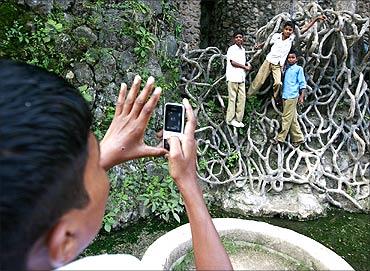
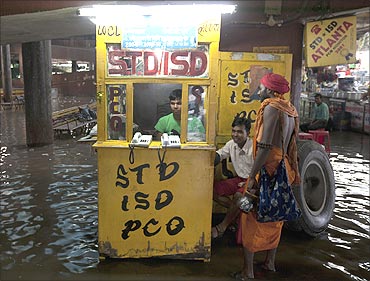
The rise in the number of mobile or wireless subscribers has been accompanied by a decline in landline or wireline connections, since people are giving up what once used to be a much sought-after phone connection.
Tele-density in the wireline and wireless segments was at similar levels of about 4 per cent coverage each in 2005; according to latest estimates for August 2010 while wireline tele-density is 3.02 per cent, wireless tele-density stands at 56.61 per cent.
Click NEXT to read on...


This makes comparison across states problematic, especially when we see a near-200 per cent tele-density in Delhi-NCR service area and then compare it to the lowest figure of around 32 per cent in Assam, Bihar and Jharkhand.
Click NEXT to read on
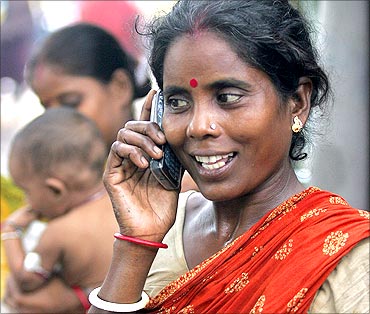
Rural tele-density is highest in Himachal Pradesh, Kerala, Punjab and Haryana, while Madhya Pradesh and Bihar service areas, which include Chhattisgarh and Jharkhand, have the lowest rural tele-density rates of less than 20 per cent.
Click NEXT to read on...
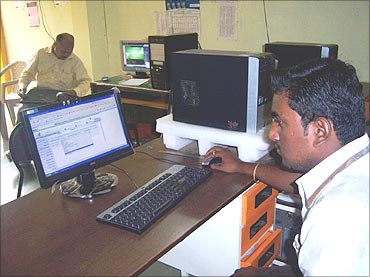
Internet penetration is another measure of connectivity. The number of internet users is estimated at 81 million, according to International Telecommunications Union data; and the Telecom Regulatory Authority of India sets the number of broadband subscribers at 10.08 million in August 2010.
Click NEXT to read on
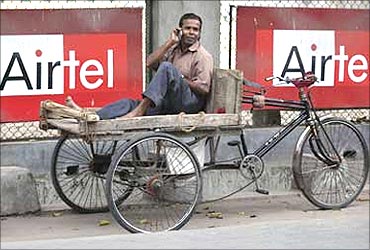
The scheme is close to its target of covering all villages by March 2011; as of August 2010, 20 states have a more than 70 per cent rollout, three states have crossed the halfway mark and the remainder have more than half their target to cover.
Click NEXT to read on
Indian States Development Scorecard is a weekly feature by Indicus Analytics that focuses on the progress in India and the states across various socio-economic parameters.
